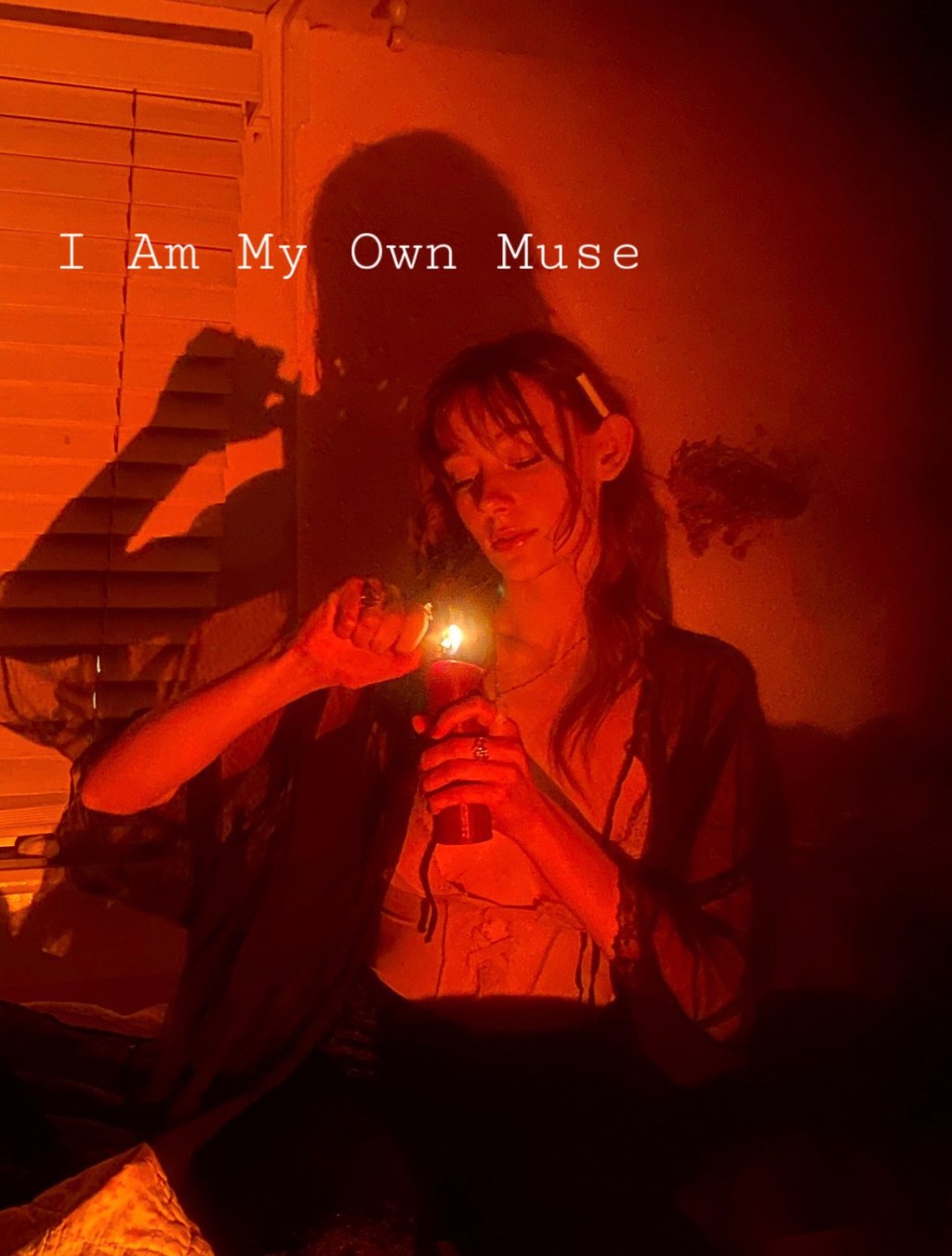
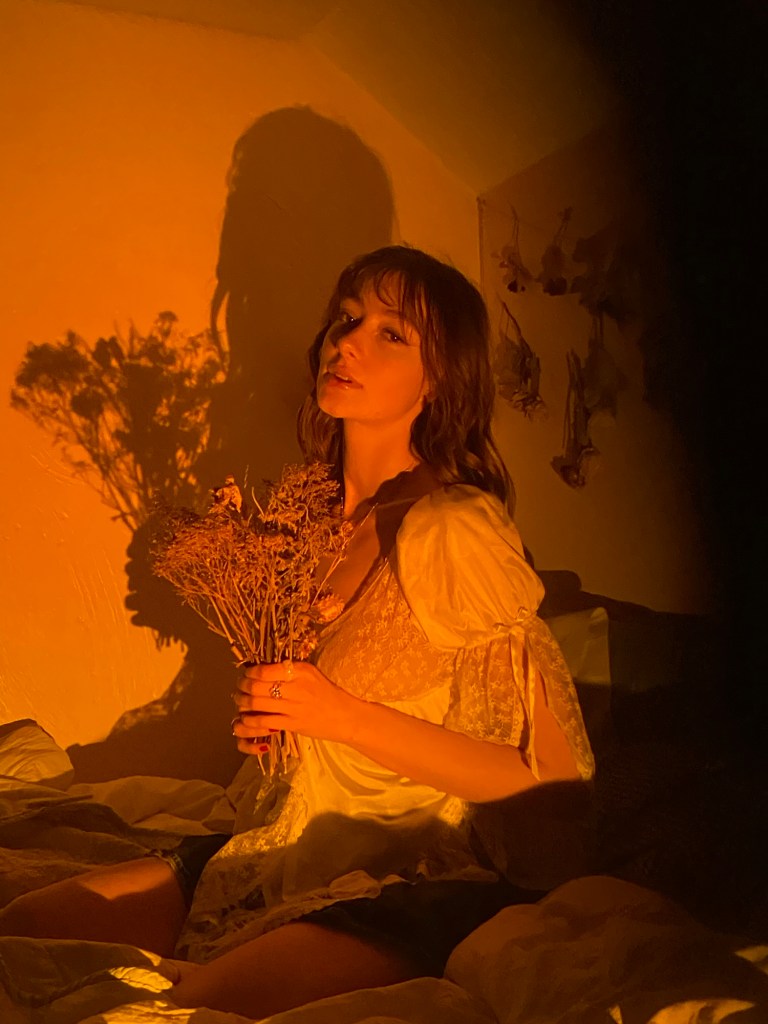
What or who is the muse in your creations? Where do your ideas stem from? If you are in a writer’s block, or can’t seem to find any inspiration, try seeking out a muse. Whether your muse is a person you love, or a place you can’t forget, a muse is the backbone of creation.
The most common use of a muse is a person whom the creative admires and worships through their art. The muse’s existence is the art in itself. Although this is the most commonly use of a muse, there are other things you can take inspiration from instead of a love.
Muse Ideas
To try and see this idea a little outside of the box, here are some examples of muses I’ve used in my work.
- Not a lover, an enemy: I know it sounds taboo, but creating art from hate is just as impactful and creating art from love. Duality exists all around us, and let’s be honest with ourselves, we don’t go around loving everyone. Think of someone who betrayed you or abused you. All of those intense feelings they inflicted still being held in the body and in the mind. Creating an antagonist from personal experiences can not only make the character come off rawer, but it can also help heal you from whatever situation you still struggle with.
- A place: Whether it is a love or a hatred for a place you’ve lived in, the places we’ve been carry our memories. The scene setting is just as important as the story, so think of the topics within your story and what place matches the tone perfectly.
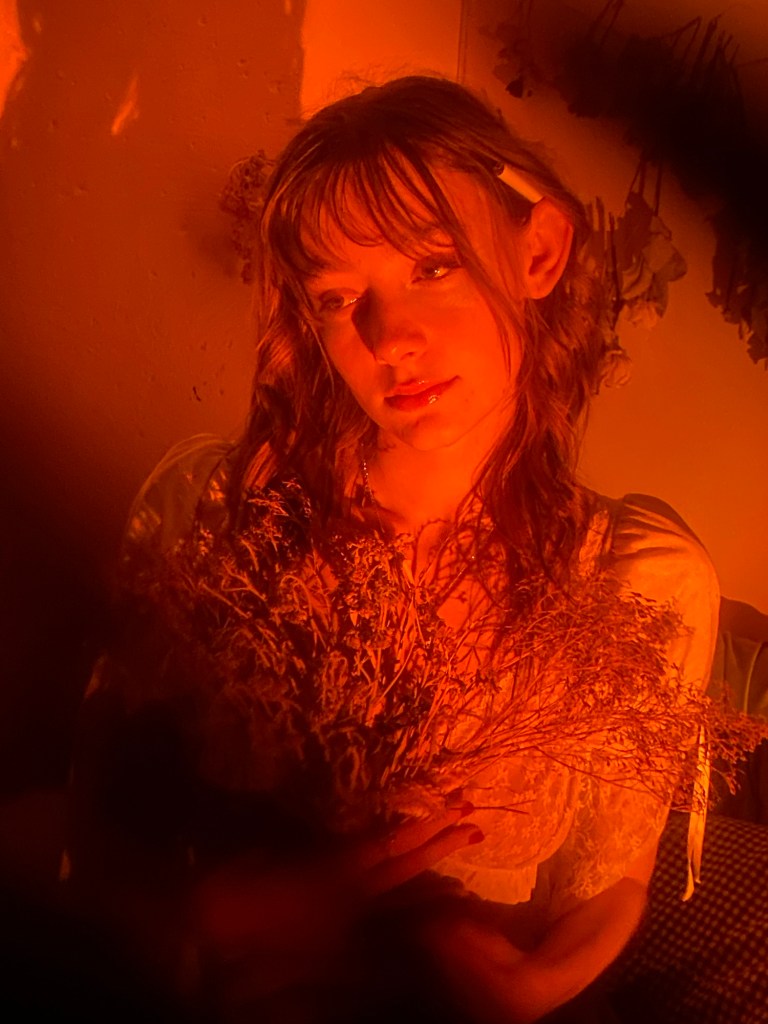
- Yourself: Maybe you as the creator, might also be the art. All of those experiences you’ve gone through. All of those struggles and triumphs that live inside you. All of those things can be alchemized into art. Put yourself into this world as new, through a piece of art.
Famous Artists and Their Muses
The muse holds the power, because they hold the art itself. Her are some examples of famous artists and the muses they used.
Karl Lagerfeld- Zahia Dehar
Zahia Dehar arose during controversy, unknowing she was about to be the face of Chanel. With one photoshoot, she became known as the muse of fashion in France. Through her provocative backstory and photographs, she brought forth an embrace of female sensuality, instead of shame for it. Even her body was used to outline what would be the monster high doll. Even through her hardships in the past, her elegance in her appearance and in her presence shifted fashion forever.
Sandro Botticelli- Simonetta Cattaneo
This is one of my personal favorite examples of a traditional muse. during the 13th century in Italy, Simonetta Cattaneo was known as one of the most beautiful women in Italy. Sandro Botticelli saw her beauty as unworldly and then created art using her as the model in famous pieces such as “The Birth of Venus” (1486). When Simonetta passed, Sandro later was buried at her feet. This held the metaphor of him living for his art, which was her.
Robert Mapplethrope – his sexuality
Through the 1970’s, Robert Mapplethrope struggled to discover his sexuality through his relationship with Patty Smith. Through his photography, he depicted controversial photographs suggesting homosexuality and BDSM. Through his bold work, he became known for stepping outside of the comfort zone of the photography community.
Who Was the First Muse?
The word and idea of the muse stemmed from ancient Greece. There was nine goddesses writing into Greek mythology, each represent an area of art and inspire the creators. For decades to come, these goddesses inspired many scholars and creators, standing as a symbol of enlightenment towards creation and curiosity.
Here is a list of each muse and the purpose they served.
Calliope: The muse of poetry
Clio: The muse of history
Eutrope: The muse of art (usually depicted with a flute)
Erato: The muse of love poetry
Melponene: The muse of tragedy
Polyhymnia: Muse of sacred poetry
Terpsichore: Muse of dance
Thalia: Muse of comedy
Urania: Muse of astronomy
Looking at this list, there is a category for all forms of creation behind the muses.
The Muse started not only with people who the artist saw as unworldly, but many of the Greek artists used drugs and alcohol to inspire their art as well. The partaking in these activities provided inspiration for many artists who searched to step out of the norm. This practice is still revenant, with a lot of modern artists choosing to stay within the chaos in order to keep their inspiration.
Mia’s Thoughts on Muses
If the art is proof of living, the muse is proof of experiencing. Through every person and every place, we all carry a story to share. To the beauty of a muse, to the ugly of them. The idea of the muse is fluent; the muse can be anything that provokes thought and creation. If there is lack of inspiration in the artists life, finding a muse is the solution. There is no creation from pure dust, the muse is the start of the process. Tragedy in history inspired great paintings, that holds not only a reminder but a warning. Love poems hold the love between two on paper for eternity so it will never be forgotten. Our personal experiences are fleeting, but a muse can be immortal through creation.
References:
Agathi Ioannidi. “Muses and the Concept of Artistic Genius in History – Greek Mythology.” Greek Mythology, 2 Nov. 2024, greek.mythologyworldwide.com/muses-and-the-concept-of-artistic-genius-in-history/. Accessed 17 Jan. 2026.
Habens, Alison. “A Brief History of the Muses: The Greek Goddesses Who Provided Divine Inspiration for Ancient Poets.” The Conversation, 18 Oct. 2024, theconversation.com/a-brief-history-of-the-muses-the-greek-goddesses-who-provided-divine-inspiration-for-ancient-poets-239330.
 Ecstasy and Misery
Leave a comment